Sept. 21, 2026
‘Reach out’: VCU academic advisors offer their best advice for a successful college journey
Share this story
College students have a lot of questions. What major is right for me? What classes should I take? What resources are available, and how do I find them? And how exactly do I do my laundry?
That’s where Virginia Commonwealth University’s academic advisors come in. From the complicated to the mundane, VCU Advising is happy to assist.
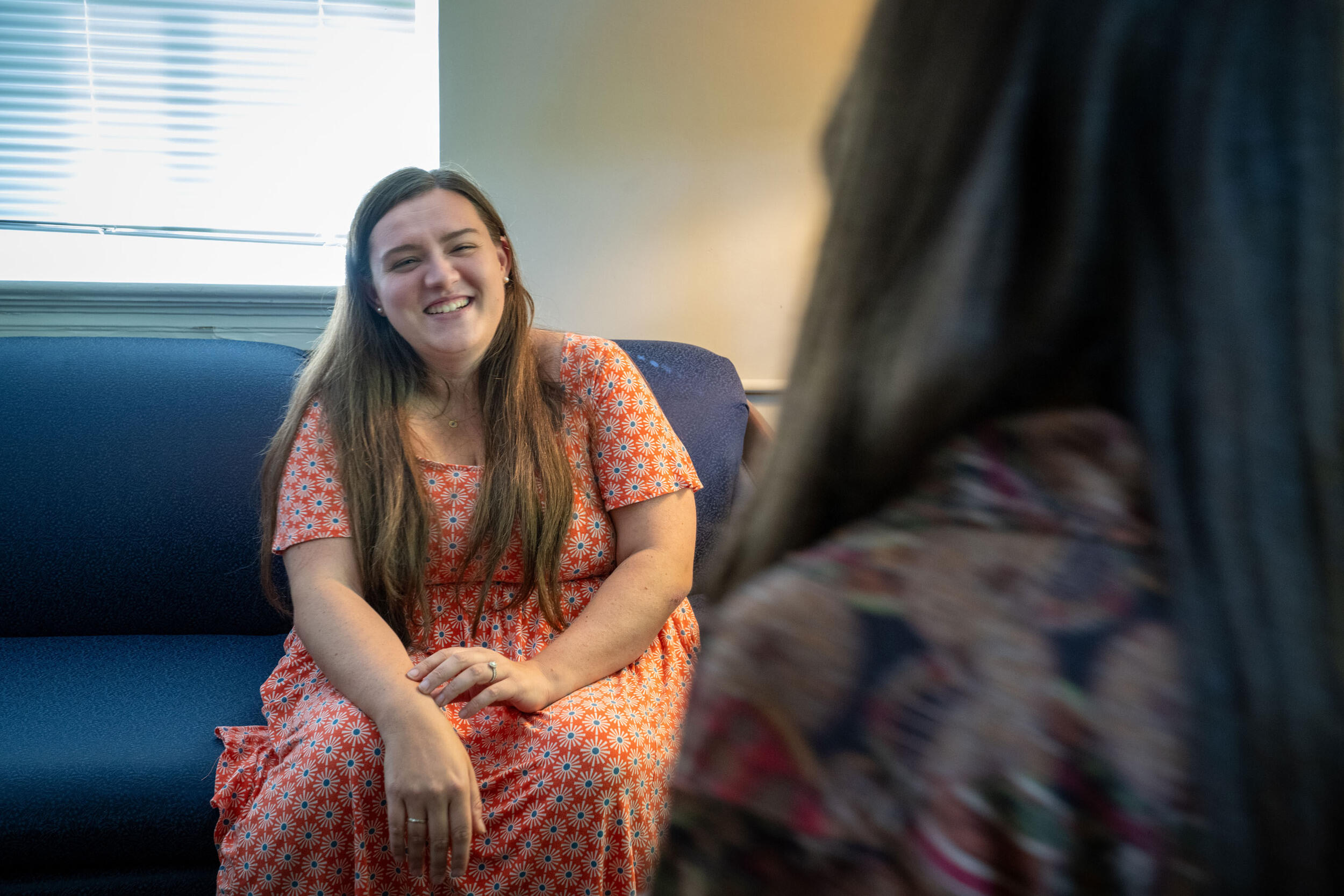
“I’ve never run into a situation where I’m like, ‘Man, why would a student ask me that?’” said Samantha DeShazo, who works with first-year students as a pre-health and sciences advisor in University Academic Advising. “I would always encourage students, especially if you’re a little shy – just schedule a meeting, and you can talk about anything with your advisor.”
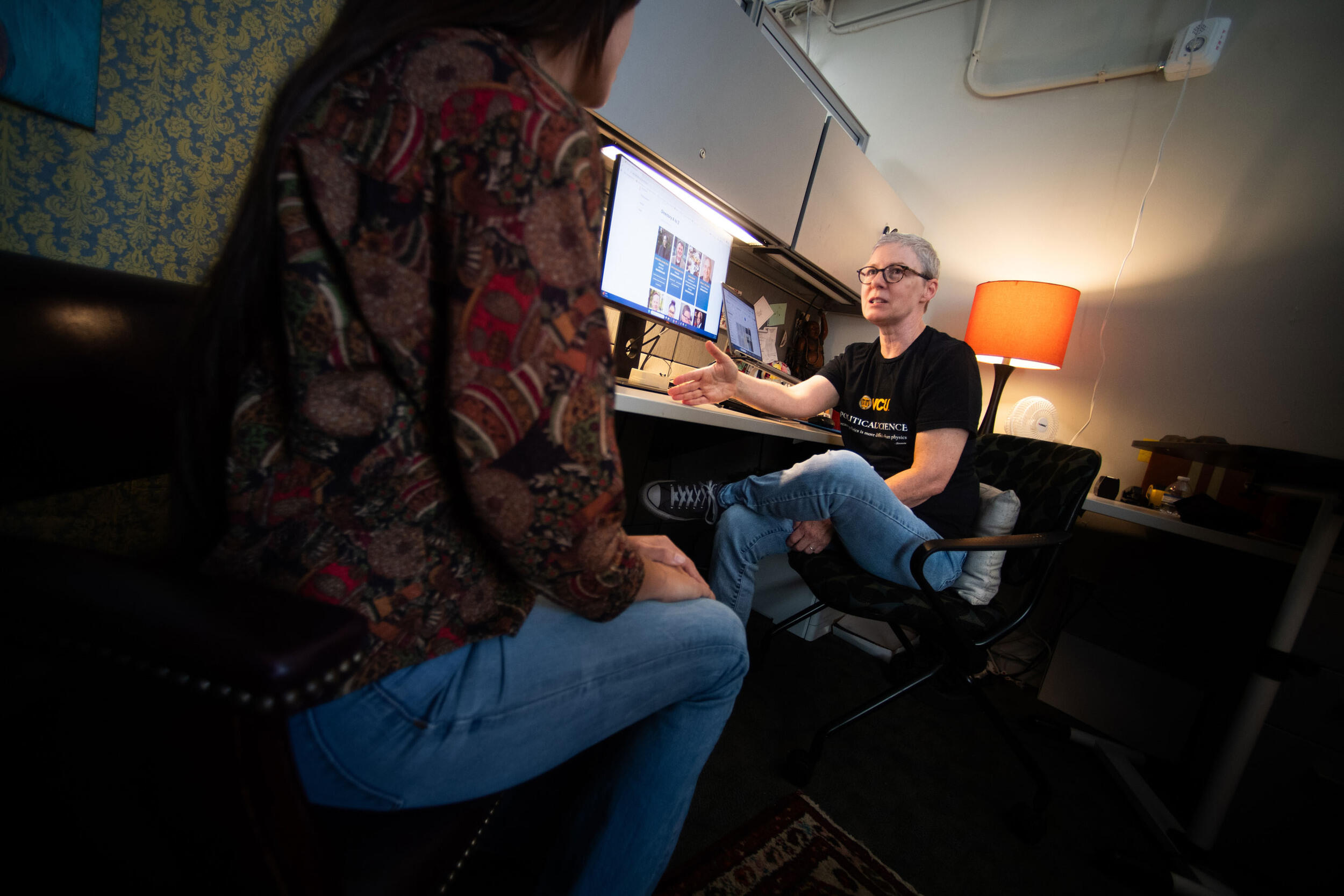
But what exactly does an academic advisor do? According to Jennifer Clayton, an advisor within the Department of Political Science in the College of Humanities and Sciences, that often varies.
“[There’s] everything from being almost like a counselor for somebody who’s going through a really traumatic moment, to very pragmatic [questions like] ‘How can I make this work with my schedule?’” said Clayton, who works with transfer students and upper-division students. “A lot of it comes down to problem-solving, whether that is preemptively problem-solving by not letting them get out over their skis or after the fact when something has gone off the rails and we’re trying to figure out how we can fix it.”
The bulk of DeShazo’s work includes talking to students about course and degree planning, discussing academic performance and assisting with financial aid or SAP appeals. “And that’s just the student side of it,” she said. “We also have an administrative side, answering questions over email, keeping track of progress reports” and supporting students when needed.
VCU News caught up with DeShazo and Clayton to learn more about their roles and the best advice they have for undergraduate students.
What is one thing you want every student to know?
Clayton: Learn things that you would like to learn and don’t see your education as simply a means to an end. There’s a real push to get through it as quickly as possible, and I think that’s where we try to do preemptive problem-solving. Students will sometimes take on more classes than they should or they’re just throwing classes in there because it works for their schedule and they’re not even thinking, “Am I interested in it?” We try to get them to slow down or look at things differently. A major thing that comes up is the difference between capability and capacity – trying to take on too much. Then we end up with things like withdrawals or failing. We try to avoid those situations as much as possible and help students see education as an end in itself as opposed to a means to an end. That degree is useful to a point, but it’s hopefully what you’re gaining during this time that’s really going to be useful, not only for your life and as a person but to actually make you a good candidate for grad school or for jobs.
DeShazo: Number one, try to maintain a balance. Obviously, you are here to learn, you’re here to get your degrees and be prepared for your career, but college is also about getting to know yourself and making friends, exploring things, networking. Make sure that you’re not just sitting in the library all the time and that you’re going out and taking advantage. There are so many things on campus, and our staff work so, so hard all across campus to organize events so that students can network and learn about internships and part-time jobs and different majors.
Have you come across any misconceptions about what an academic advisor does?
Clayton: I do wonder how useful they think we are, or if they’re just nervous to talk to people, or they’re just busy. But we’re a partner … if you don’t know where else to go, go to your advisor, and they can help you figure it out. Just to have that person in your corner where you trust and believe that the person has your best interest at heart.
DeShazo: I think some students assume that I would function almost as if I was a high school counselor. Sometimes they’ll say, “Well, can you take care of this thing for me?” And I have to be like, “Well, no – I can tell you how to do it, I can point you in the right direction, but you’re going to have to learn how to do these things on your own.”
We’re really trying to set them up so that the rest of the time that they’re here, they’re going to know how to register for classes, they’re going to know what to look out for, they’re going to know how to do their own research and be active participants in their education.
Looking back to when you were a student, is there anything you wish that you’d known?
Clayton: When something hits the skids … it can be really hard to reach out but if you do, you can at least stop that from having a long-term effect. I think an advisor can be a great first stop. It sounds like a canned answer, but I do think that reaching out really is the best thing, otherwise you’re just trying to figure things out on your own – and you’ve already got enough to do. Let people help you out.
DeShazo: I would tell myself, “Hey, your advisors, they’re here to help you.” Our whole job is to be here to help you and support you, so please, please listen to what your advisors are saying and consider that. There are so many resources that are available and I always tell my students, “You already pay for it. It’s already in your fees and tuition, so you might as well go and use those resources.” So go to tutoring even if you feel like you’re not struggling. Just going and reinforcing the material can be super helpful. Or go to counseling. You don’t have to do this all on your own. There are wonderful people out there who will listen to you and help you strategize how to manage everything.
What is the best thing about your work?
Clayton: When you help someone fix a problem. A lot of times, people come to me and they’re just overwhelmed – they don’t understand what’s happening or what they need to do. And then we go through it, and I can break it down with them, I can explain that things are actually really good. It’s wonderful if I get off the phone call and somebody’s saying, “I was really worried and now I feel so much better.”
DeShazo: The students. I love working with the students. I work with a lot of students who want to go into healthcare, so they are just incredible people. They’re giving, they’re caring, they want to help everyone, they want to save the world. And they’re also just so resilient.
Subscribe to VCU News
Subscribe to VCU News at newsletter.vcu.edu and receive a selection of stories, videos, photos, news clips and event listings in your inbox.