Sept. 16, 2026
To target liver disease, VCU researcher turns to a molecule our bodies already have
Share this story
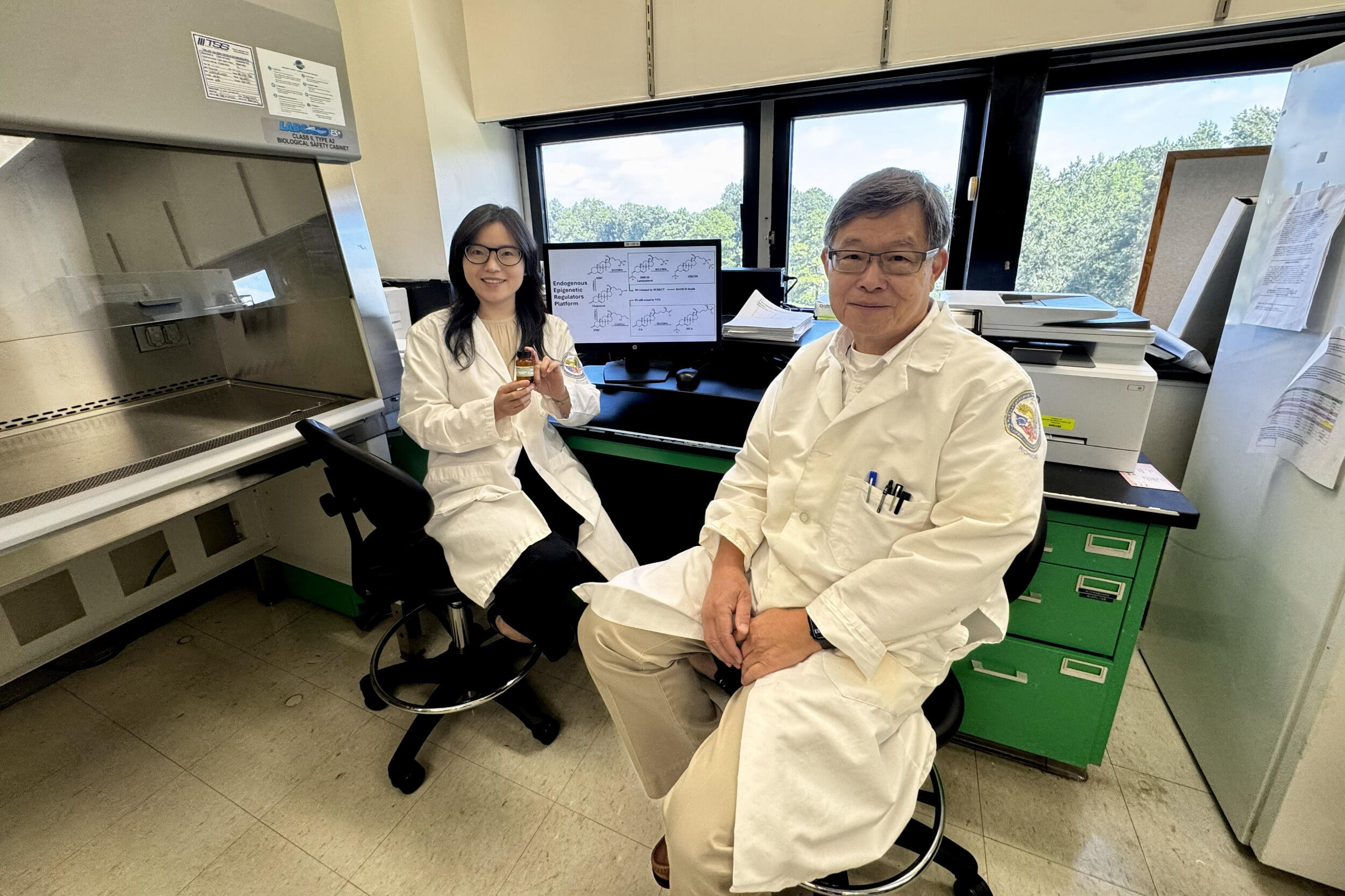
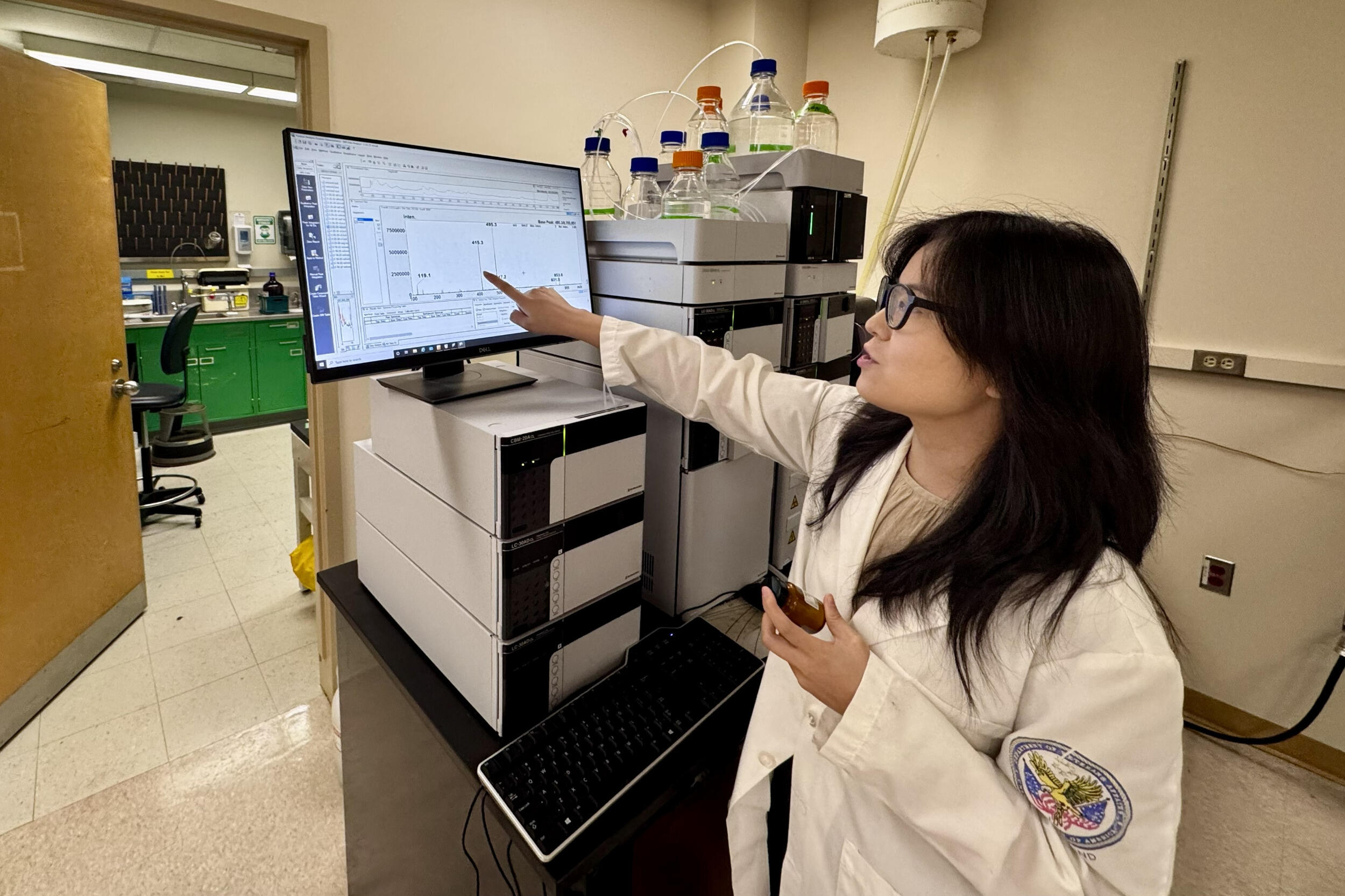
When Yaping Wang tells people that the compound she is developing as a liver disease therapy is something the human body produces on its own, she knows what to expect in response.
“Most people will ask, ‘It’s already in the body, so why can you use it to treat this disease?’” said Wang, Ph.D., an assistant professor in the Department of Internal Medicine at Virginia Commonwealth University’s School of Medicine.
It is a fair question, and answering it convincingly is the work now underway in her lab.
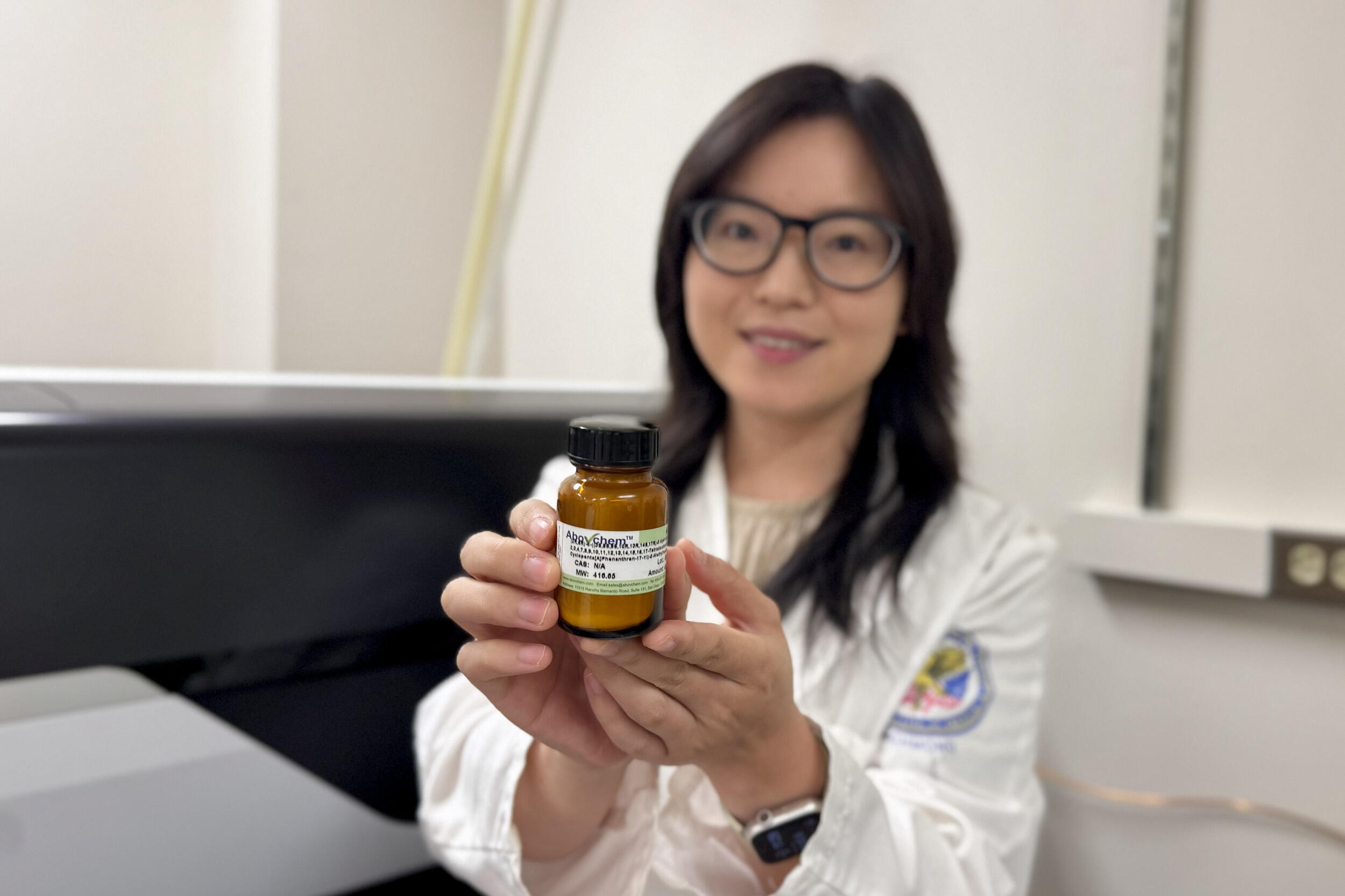
Wang is developing cholestenoic acid, or CA, as a first-in-class treatment for the worldwide threat of MASLD – metabolic dysfunction-associated steatotic liver disease. Her work is being supported by a Commercialization Fund award through VCU TechTransfer and Ventures, part of the Office of the Vice President for Research and Innovation. VCU’s Stravitz-Sanyal Institute for Liver Disease and Metabolic Health has also supported the work.
The global impact
MASLD is the current name for what was long called non-alcoholic fatty liver disease. It describes a liver burdened by accumulated fat and the inflammation that follows – without drinking as the cause.
“The experts renamed this disease because they found it is not only lipid accumulation in the liver,” Wang said. “It is also related to inflammation, to fibrosis, to other conditions.”
The scale is difficult to overstate. MASLD affects an estimated 25-30% of adults worldwide and is a leading cause of cirrhosis, liver failure and liver cancer. Yet safe, disease-modifying treatments remain scarce, drawing considerable pharmaceutical interest without yet producing a satisfying answer.
‘Follow your results’
Wang’s path to CA began with a different molecule. Her previous project in the lab was exploring the mechanism behind larsucosterol, another naturally occurring compound. She and her team discovered that it functioned as an epigenetic regulator, a molecule that changes which genes a cell switches on or off without altering the underlying DNA.
That finding led to a critical question: Were there others yet undiscovered?
Wang screened roughly 20 related molecules produced along the same metabolic pathway, looking for similar behavior. Only one stood out.
Cholestenoic acid, like larsucosterol, acts on DNA methyltransferases, the cellular machinery that places chemical marks on DNA and, in doing so, helps determine how the liver handles fat. CA had been known for decades but was largely dismissed as a metabolic byproduct of cholesterol, rather than a molecule worth studying on its own terms.
“At the beginning, I hesitated to continue the study,” Wang said. “Nobody cared about CA’s biological function.”
What changed her mind was a push from her mentor, Shunlin Ren, M.D., Ph.D., a professor in the Department of Internal Medicine. “He encouraged me,” she said. “He told me, ‘You got such positive results. Why don’t you want to continue? You just need to follow your results.’“
Treating cells with CA, Wang found it reduced lipid accumulation and dampened inflammation. Moving into animal models – a step she considered essential before any talk of clinical translation – the compound improved liver function and cut fat accumulation in established MASLD mice. Notably, across both oral and injected administration, her team observed no detectable toxicity.
The standout potential of CA
For potential partners, the more interesting argument may be what distinguishes CA from the therapies already competing in the space.
MASLD rarely arrives alone. Because the underlying dysfunction is systemic, patients typically carry a cluster of related conditions, such as obesity, diabetes or cardiovascular disease. Most current therapies, Wang argues, are not built for that reality.
“The current therapeutics always focus on one protein, or one pathway. So the treatment is limited,” she said. “CA works as a systematic regulation. It will not only focus on one condition; it will also benefit the others.”
Her preliminary data point toward weight loss and protection of organs beyond the liver from lipid-driven injury. If they hold, these signals would widen the commercial case considerably.
A multimillion-dollar precedent
The strongest argument for CA may lie in Wang’s previous work.
Larsucosterol, the compound whose mechanism she characterized, advanced from discovery into clinical development for alcohol-associated hepatitis, where trials demonstrated a 50% reduction in mortality. That success drew significant commercial interest and culminated in a $400 million acquisition by Bausch Health, which is now developing it as a platform therapeutic across multiple indications.
“CA has a similar molecular mechanism to larsucosterol, and larsucosterol already advanced to clinical trials,” Wang said. “That foundation supports that CA has promising therapeutic potential.”
The work is co-led by Ren, who discovered larsucosterol and holds 75 patents in liver disease therapeutics. With the Commercialization Fund award, he and Wang will pursue two milestones designed to answer the questions a licensee or investor would ask first.
The initial phase establishes dose-response and treatment duration in a validated MASLD mouse model, measuring liver injury markers, tissue pathology and how the compound distributes through the body. The second phase validates the epigenetic mechanism itself and identifies molecular biomarkers tied to therapeutic response.
Together, they de-risk the compound and produce the preclinical data package required to move toward studies that would support an Investigational New Drug application to the government. This work is projected to need roughly $1 million in follow-on support.
“We really appreciate the funding from TechTransfer and Ventures,” Wang said. “When we finish these projects, we will provide the data to support our compound getting to commercialization.”
A platform for multiple therapies
Those findings may open doors beyond MASLD. Wang’s team has already identified a CA metabolite showing early promise against acute liver injury in sepsis and acetaminophen-overdose models.
“Because CA works through an epigenetic mechanism that touches lipid regulation broadly, the mechanistic data coming out of this award could open several therapeutic doors at once,” said Magdalena K. Morgan, Ph.D., director of licensing at TechTransfer and Ventures. “That platform potential is what makes the licensing conversation much bigger than MASLD.”
For Wang, the appeal comes down to a convergence: a disease affecting millions, a compound the body already tolerates and a mechanism with a proven translational path.
“The risk is low, and there is a large medical need,” she said.
VCU places the ethical treatment of animals as a primary responsibility and the founding principal of its Animal Care and Use Program. Overseeing this program campuswide, ACUP ensures humane and appropriate animal care and use by providing for the animals' husbandry and veterinary care, and monitoring their use by all VCU animal users. The policy is available here.
Subscribe to VCU News
Subscribe to VCU News at newsletter.vcu.edu and receive a selection of stories, videos, photos, news clips and event listings in your inbox.