Nov. 25, 2025
Giving thanks this week? Don’t wait for the calendar
Share this story
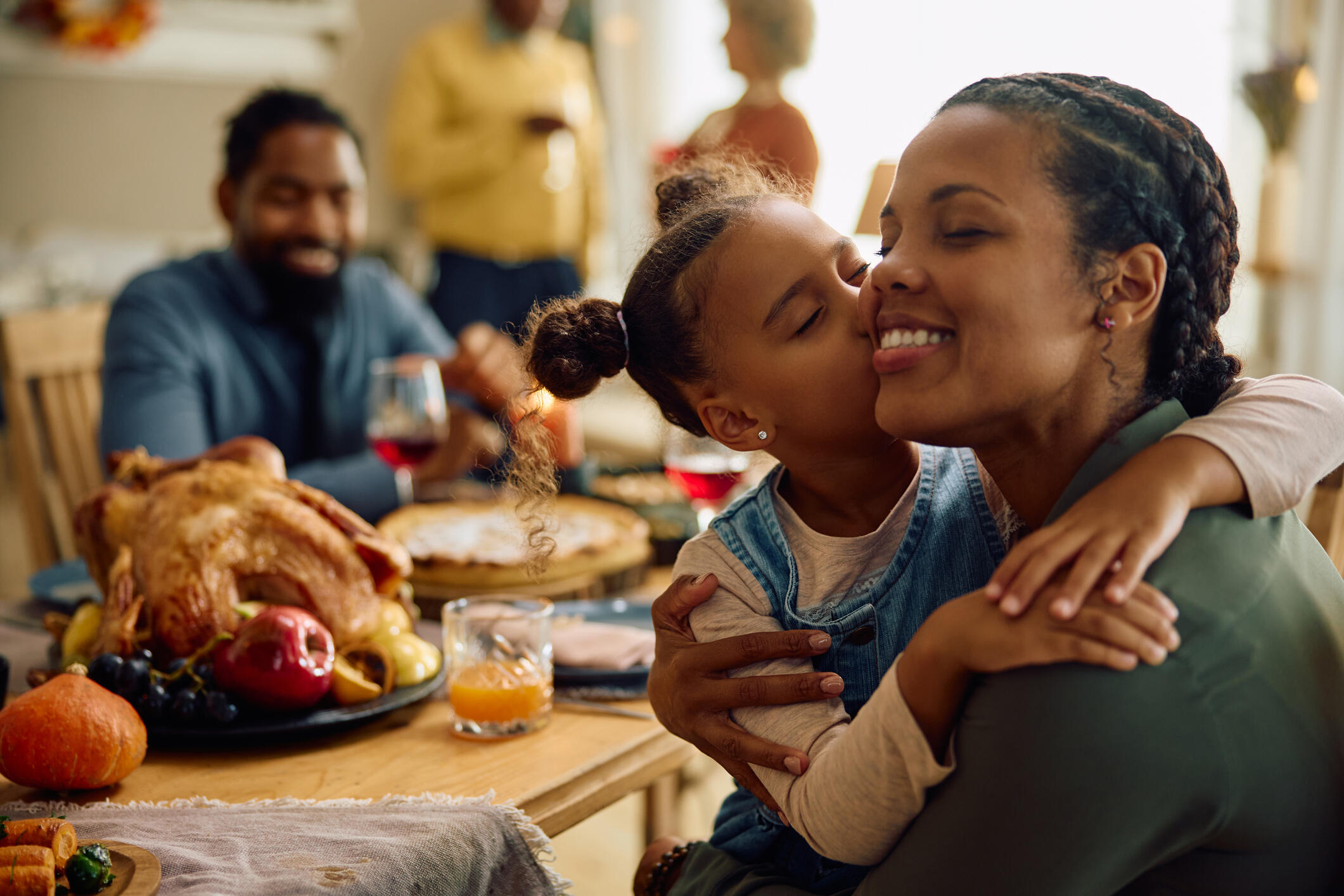
Around tables throughout the country this Thanksgiving, millions will take turns sharing what they’re grateful for. But while giving thanks is the reason for the season, why wait for November? As Virginia Commonwealth University’s Jeffrey Green points out, gratitude makes us happier – and that feeling is year-round.
In his research, Green, Ph.D., a professor in the Department of Psychology in the College of Humanities and Sciences, examines types of virtuous behavior, including gratitude, and how they can facilitate meaning in life.
“Gratitude is all about relationships,” he said. “Feelings of social connection are so important to well-being, and these expressions of gratitude can enhance our sense that we’re embedded in relationships and we’re loved by others.”
But gratitude has another component – one that works on the large and small scale, Green said.
“It also orients us to what we have rather than what we don’t have,” he said. “Practicing a grateful attitude or heart can help us appreciate the little things, and life is almost all little things.”
VCU News spoke with Green about the importance of giving thanks – and why this year in particular he’s more grateful than ever.
How does the tradition of giving thanks contribute to an overall sense of gratitude?
Expressions of thankfulness at the Thanksgiving table have that extra ingredient of sharing in a gathering of loved ones. Hearing what everyone else is thankful for can inspire people to appreciate even more aspects of their lives, and people sometimes disclose deeper feelings and perspectives, which brings people closer together.
Research published by my friend Sara Algoe, a professor at the University of North Carolina at Chapel Hill, shows that expressions of gratitude do indeed rub off onto others and make them more likely to feel grateful, as well as be more helpful.
Additionally, any sort of regular family or cultural ritual can deepen social bonds, and this national ritual might help Americans feel closer and have more commonality.
This tradition helped bring your own family together after experiencing loss last year, didn’t it?
My mother started off the expression of thankfulness last year in an unusual way: She thanked everyone around the table individually for how they helped her in the aftermath of my father’s death a couple of months prior. For example, my brother labored for hours getting access to financial records and credit card bills, one uncle helped with house tasks while she was out of town, and so on.
Even though my father’s chair was empty just a few feet away, we strove to cultivate gratitude for the time we had with him and for each other, helping us collectively in the aftermath of the loss.
What are you grateful for this year?
In the spring, I got hit by a car while cycling right before graduation, and my femur was shattered. The great surgeons at VCU Health put a rod inside the bone, and I was able to attend graduation with a walker.
I lost most of my summer to rehab, and sometimes, I got discouraged and angry. But most of the time, I tried to cultivate a more grateful approach. I focused on the worse alternatives: I could have landed on my head or back, or even shattered my hip just a couple of inches from where my femur was shattered. I tried to orient myself away from what I didn’t have, or what I lost, and was grateful that I’m still here.
Can you share any tips for practicing gratitude year-round?
I have a few specific suggestions:
- Nostalgia enhances gratitude through social connectedness. Eating nostalgic foods, such as traditional family treats at Thanksgiving, or listening to favorite music or telling family stories are all ways to give yourself a daily dose of nostalgia, which can promote gratitude.
- Consider a gratitude journal. You could simply list a few very specific things you’re grateful for on most days, which might help you orient to the smaller things and the present moment.
- Don’t double-task! You’ll enjoy the movie or the coffee with a friend more if you don’t look at your phone throughout. Research on savoring is clear that it helps enhance your happiness and enjoyment of various moments, and it helps counteract habituation, which is the tendency to emotionally adapt quickly to all manner of both good and bad circumstances.
- Write to someone you’re grateful for. Add a meaningful sentence or two when you text an old friend “happy birthday” to describe why you appreciate them. Email a mentor or former teacher to share how they had a positive influence. More specificity and detail is almost always better. (Note to my own former students – cash is also a great option!)
- Even better, give them a call! Sonja Lyubomirsky, one of the world’s top happiness researchers and professor at the University of California, Riverside, ranks this up at the top of happiness-enhancing activities. You can share your gratitude for them during the call, and they likely will reciprocate.
- It’s also about what you don’t do. Spend less time on social media – especially following celebrities or arguing with strangers – and more time outside. We underestimate how well we’ll feel after being out in nature. Cultivating awe has loads of benefits.
Subscribe to VCU News
Subscribe to VCU News at newsletter.vcu.edu and receive a selection of stories, videos, photos, news clips and event listings in your inbox.