April 23, 2026
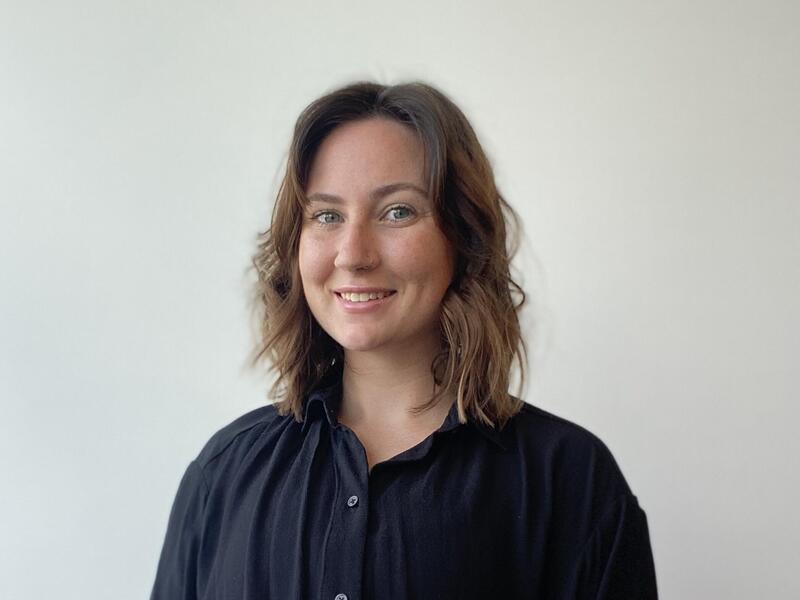
Class of 2026: Esse Foka Nzaha digs into the immigrant diet paradox
Share this story
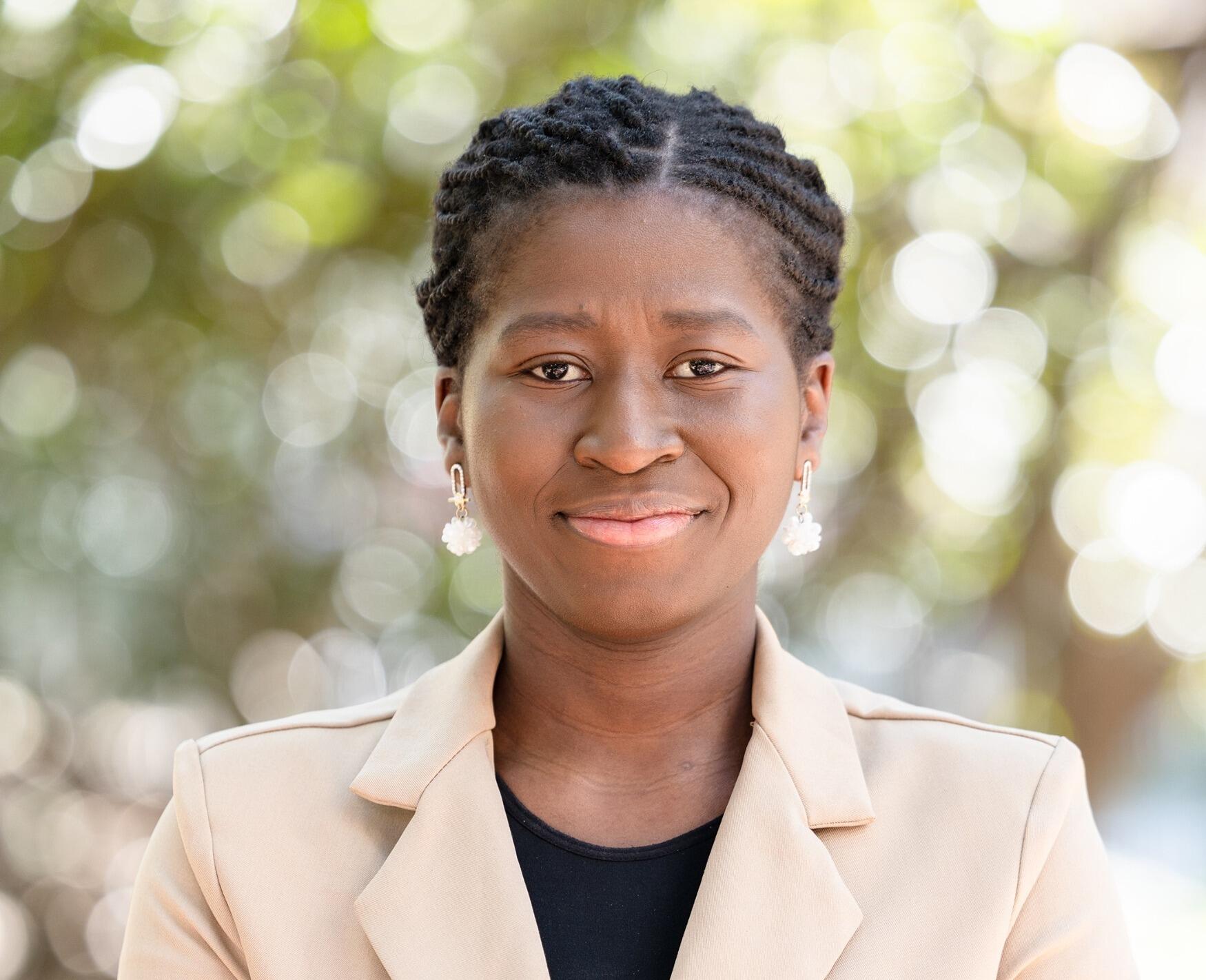
Like many researchers, Esse Foka Nzaha found her calling when she noticed an interesting dilemma: in her case, the health impact of the food that immigrants eat.
When Foka Nzaha came to the United States from the West African country of Benin, she planned to become an emergency medicine physician. But she pursued a master’s degree in public health, and her perspective shifted to how diets affect immigrant health. This spring, she graduates from the Ph.D. program in Virginia Commonwealth University’s Department of Epidemiology, part of the School of Public Health.
“It was like two sides of a coin to me,” Foka Nzaha said of her focus. “On one side, you have the detective work of diagnosing an individual. On the other, you have the detective work of looking at a whole group and seeing why this is happening.”
Once she noticed a pattern in how diets change for people who come to the United States, Foka Nzaha chose to specialize in nutritional epidemiology, focusing on how immigrants change their eating habits after arriving.
“You come here with your way of eating, and then you meet the way of eating here and things change,” she said. “The more you stay here, the more likely you are to have eating patterns that match what you see here – and the health results go with that.”
Foka Nzaha’s research is driven by a phenomenon known as the immigrant health paradox, which suggests that immigrants, despite arriving with a lower socioeconomic status, are often healthier than those who have lived in the United States for decades. The longer a person lives here, though, the more their dietary patterns, and their health, begin to look like those who have lived here longer.
By using a mix of methods, Foka Nzaha is working to understand these shifts and help new immigrants preserve their health as they navigate a new environment.
“Food touches everybody,” she said. “Where I come from, food is very cultural, very important.”
This year, Foka Nzaha was among recipients of a Carter G. Woodson Award for Academic Excellence, a program in the Department of African American Studies in the College of Humanities and Sciences. It noted her mentoring of graduate students in advanced analytical methods as well as her academic and scholarly achievement being recognized through a Graduate Student Dissertation Assistantship award.
But her path wasn’t an easy one. Foka Nzaha applied to VCU’s Ph.D. program three times before admission, and she said her determination remains driven by a passion for community assistance.
She offers similar advice for others who are pursuing a field of interest: Just keep going. Success, she said, is about repetition and developing the most basic tools to move a field forward, and assessing one’s passion honestly is the best place to start.
“I think if you have a desire to not just help your career but truly look at a community and say ‘I can help here,’ I think that’s enough to start asking yourself whether you want to pursue more in the field,” Foka Nzaha said.
After marrying midway through her Ph.D. program, she now lives with her husband in Northern Virginia as she prepares to defend her dissertation. Looking ahead, she wants to serve as a resource for immigrant communities, using the tools she developed at VCU to implement her research wherever it is needed most.
“I’m the type of person who would not give up on something I know I ought to do,” Foka Nzaha said. “If I have the feeling that I have to do it, however hard it is will not be the reason I don’t succeed.”
Subscribe to VCU News
Subscribe to VCU News at newsletter.vcu.edu and receive a selection of stories, videos, photos, news clips and event listings in your inbox.