May 14, 2026
VCU researcher examines nature-based solutions for changing cities – by taking evolution into account
Share this story
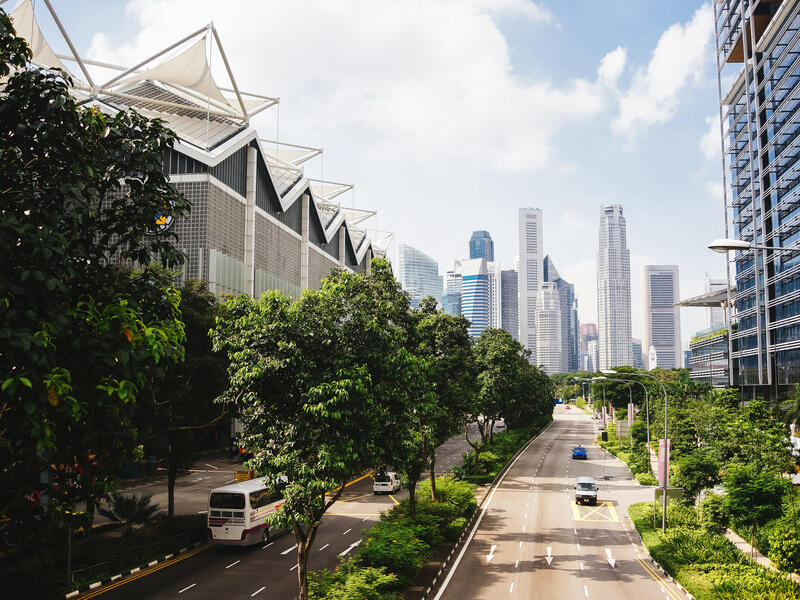
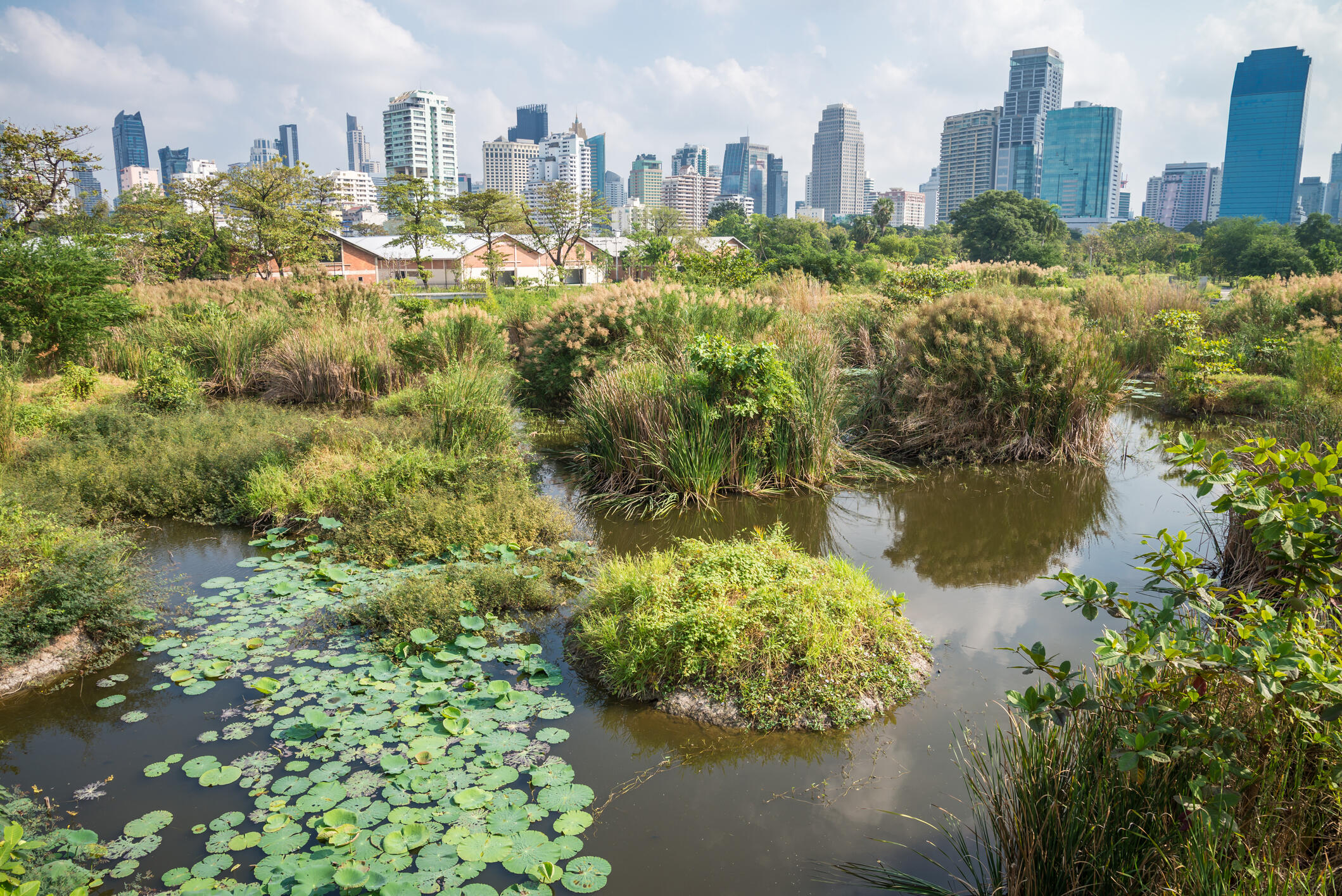
As the world warms, cities are turning to nature-based ways to increase resilience to heat, pollution and other environmental stressors – planting trees to cool streets, building wetlands to filter out pollutants and installing oyster beds to halt erosion. But what happens as those remedies evolve over time, and how can we harness those changes?
That’s the focus of a new study co-authored by Brian Verrelli, Ph.D., an evolutionary geneticist and professor in the School of Life Sciences and Sustainability in Virginia Commonwealth University’s College of Humanities and Science. The work, published in Science, explores how cities around the world can both anticipate and take advantage of the evolutionary process when engineering nature-based solutions for urban resilience.
“As humans are constantly changing urban areas – building them, restructuring them, increasing them in size – organisms are evolving and adapting to these ecosystems,” Verrelli said.
That’s true of a wide variety of organisms, from plants to microbes to lizards, that live in cities, which may be home to up to two-thirds of the human population in 30 years. And in some cases, that evolution is happening fast enough to affect how nature-based solutions function.
“The central dogma is that evolution can take a really, really long time. And that’s true,” Verrelli said. “But what we’re finding is that evolution can also be really, really fast.”
And while bacteria and microbes tend to evolve faster than plants and vertebrates, even larger species can change quickly.
“Are organisms and ecosystems going to be able to change rapidly enough over time to keep up with this pace?” Verrelli said. “And what we’re finding in a number of examples is that yes, this is the case.”
VCU News spoke with Verrelli to find out more.
What is a nature-based solution?
Nature-based solutions are when we employ populations of organisms – and the things that they do naturally – to solve problems. Those problems may pertain to human resources, such as clean water and air, or to reducing flooding to protect our homes and economic resources.
How do nature-based solutions benefit humans?
These solutions provide benefits for simple well-being and higher quality of life by facilitating more green spaces, such as gardens and parks, and more blue spaces, such as rivers and lakes. They are not only aesthetically pleasing but have benefits for recreation and mental health.
How can we take advantage of evolution when designing nature-based solutions?
There are two ways that evolution can be important. First, we need to consider organisms that have “adaptive potential,” or genetic variation in the population that enables them to adapt when environments change. Second, we need to consider that organisms are constantly evolving and naturally adapting in ways that may not always serve our nature-based solutions.
Can you give an example of how we should consider evolution in nature-based solutions?
Let’s think about coastal wetlands, where oyster bed restorations help filter water and reduce erosion. As climate change causes water temperatures to rise, we see changes in water salinity and temperature, as well as a rise in pathogens. Climate change is even more exacerbated in urban areas, which include coastal wetlands and marine sanctuaries. In maintaining large oyster populations, we can select specific cultures with genetic pathways that help with thermoregulation and the ability to fight infectious disease – and that could help maintain healthy oyster populations in the future.
How could nature-based solutions fail if we don’t think about evolution?
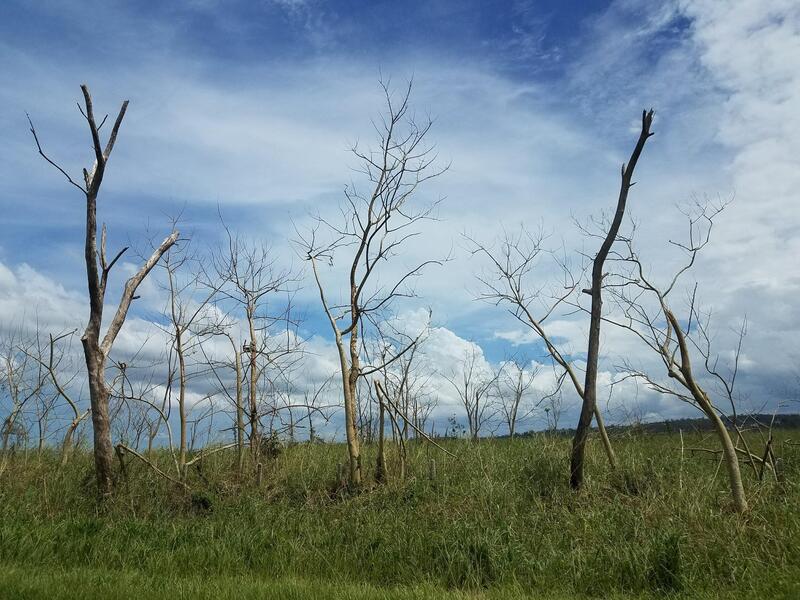
As cities grow, increased air temperature and reduced air quality may mean that specific plants and trees, which line our streets and fill our parks, need to adapt to higher temperatures and more pollution. Without this evolutionary approach, we may be left with plant and tree populations that succeed now but then succumb to extreme environmental changes later. That means we are spending resources to design nature-based solutions that get scrapped and constantly turned over, or replaced entirely with other organisms.
How might the role of evolution be different across cities, or even within different areas of the same city?
Our understanding of what defines a city changes all the time. Cities may share characteristics, such as asphalt, human-built structures and high population densities, but the very different environments they sit in determine how organisms will adapt differently over time – think of high-altitude, dry Denver compared with sea-level, high-humidity Miami. In a perfect world, we would love to have organisms that are adapted to all of these different conditions, but the same species may evolve different traits and behaviors across different cities – a “one species fits all” approach may not be a good long-term nature-based solution for cities.
Subscribe to VCU News
Subscribe to VCU News at newsletter.vcu.edu and receive a selection of stories, videos, photos, news clips and event listings in your inbox.