Sept. 17, 2026
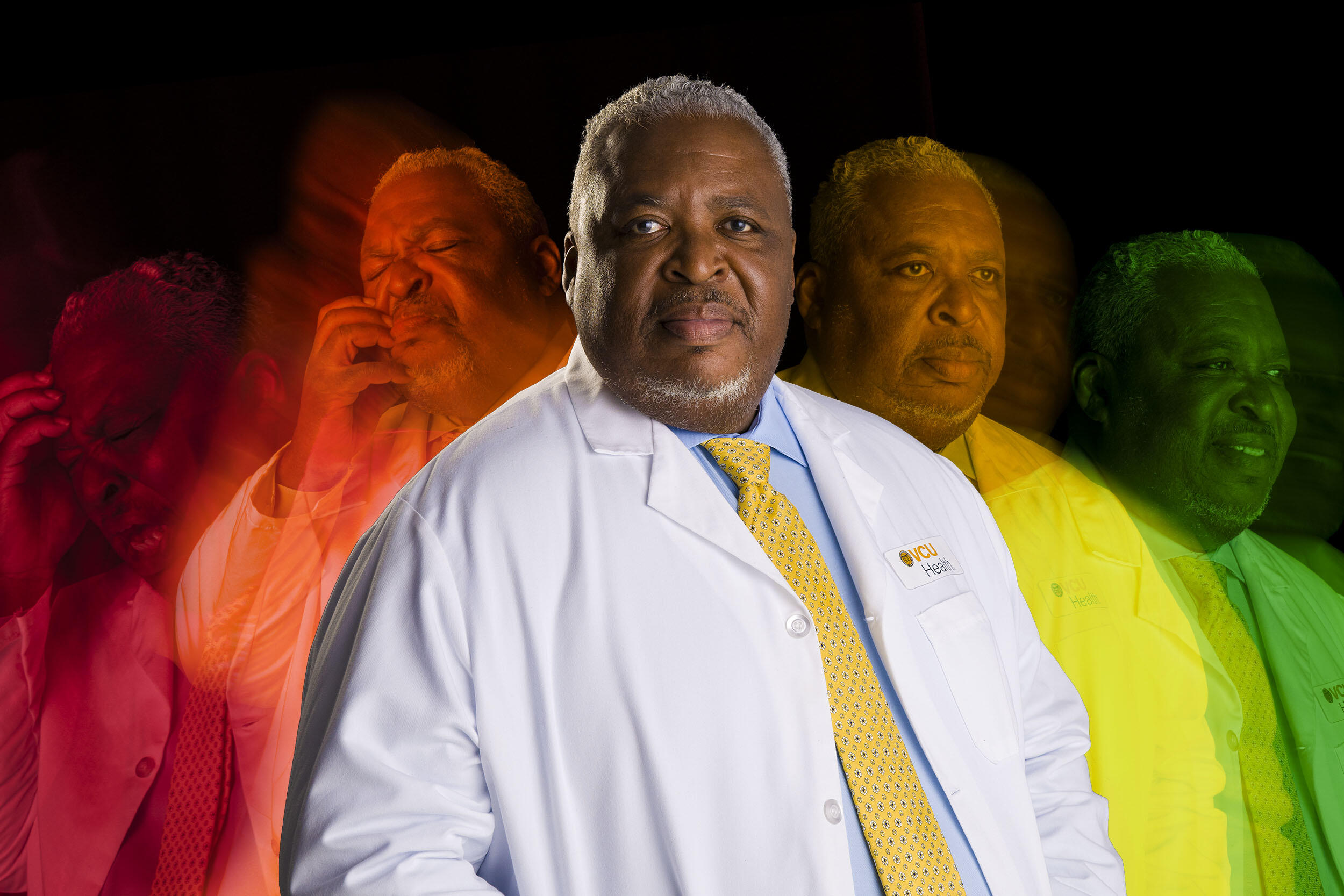
With a firm belief in the importance of listening to patients, he changed the way sickle cell disease is understood and treated around the world
Share this story
About Uncommon Heroes: This series shines a light on passionate and innovative people at VCU who are boldly tackling problems that others can’t or won’t.
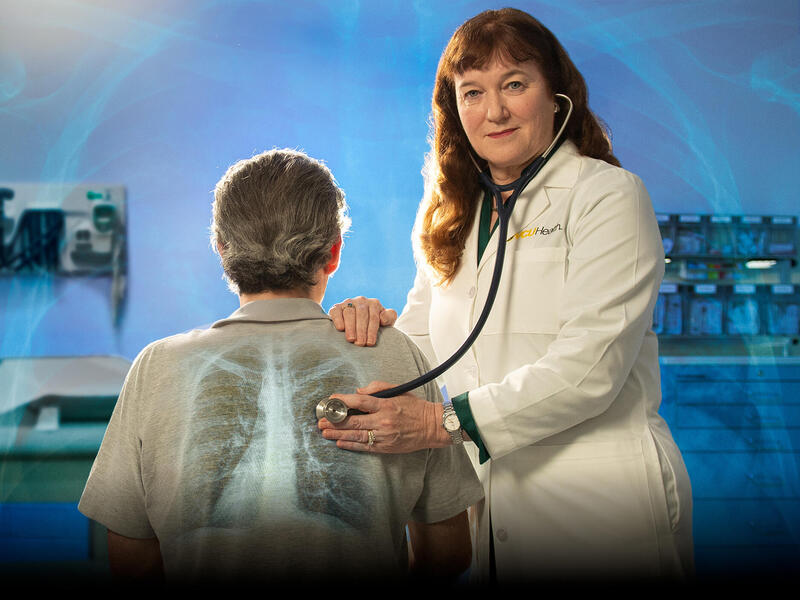
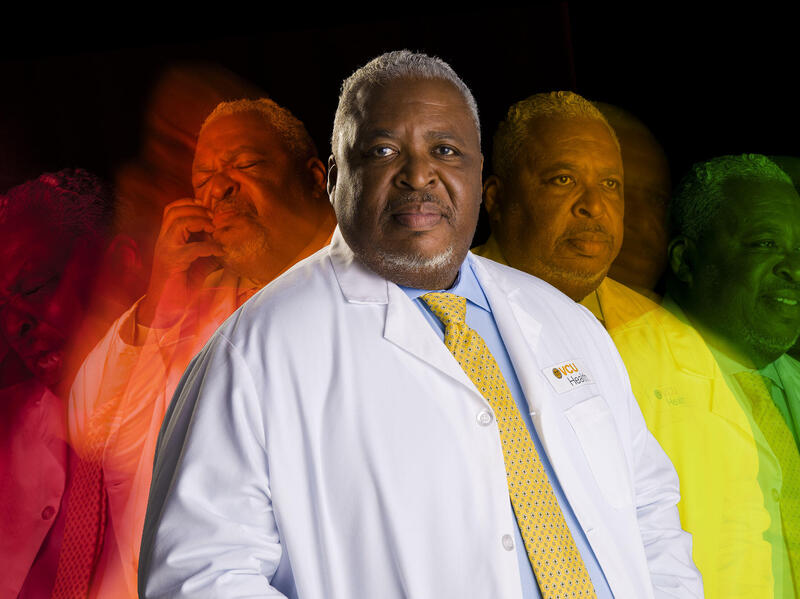
For decades, intense pain has been a burden that shapes the lives of people living with sickle cell disease, and when Wally Smith, M.D., arrived at Virginia Commonwealth University in 1991, the medical world believed that pain happened only during crises severe enough to send patients to the hospital. Once at the emergency room, with no obvious wounds, sickle cell patients had to wait longer than others and then sit through seemingly endless questions and explanations, often making them feel like their pain had to be proven before it could be treated.
Smith chose a different approach, one based on the simple act of listening and believing. He wanted to hear directly from patients about their daily experience with sickle cell disease. He wanted to know what happened during the hundreds of days each year when patients weren’t in the emergency room.
His groundbreaking PiSCES study invited Virginians living with sickle cell disease to keep daily pain diaries over several months. Nearly 29,000 entries later, Smith and his team proved what patients had been saying all along. Study participants detailed pain that followed them to work, school and home again — pain they quietly endured because another trip to the emergency room often meant another exhausting fight to be heard.
Instead of occasional episodes separated by long stretches of wellness, many patients reported pain almost every day. The findings reshaped treatment guidelines, changed how emergency departments respond to sickle cell pain and led to breakthroughs in how chronic pain changes the brain.
Under Smith’s leadership, VCU has become one of the world’s leading centers for sickle cell research, bringing together neuroscientists, pharmacologists, hematologists and brain imaging specialists. Today, there are brain scans, clinical trials and even cures. But Smith believes the first breakthrough wasn’t scientific.
It was listening.
Patients later told him that simply completing the daily diaries helped because, for the first time, someone wanted to know what their lives were really like. The study wasn’t designed as therapy, but for many, it became exactly that.
Today Smith, the Florence Neal Cooper Smith Professor of Sickle Cell Disease at the School of Medicine and medical director of the adult sickle cell program at VCU Health, is helping prepare the next generation of researchers to ask even bigger questions.
The video below shares the story of an uncommon hero whose research has helped rewrite the future of sickle cell disease. But if you ask him what medicine still needs most, his answer is simple.
“God gave us two ears and one mouth,” he says with a chuckle. “Use them accordingly.”
Subscribe to VCU News
Subscribe to VCU News at newsletter.vcu.edu and receive a selection of stories, videos, photos, news clips and event listings in your inbox.