April 29, 2026
World@VCU: Samantha Castro Teixeira from Brazil
Share this story
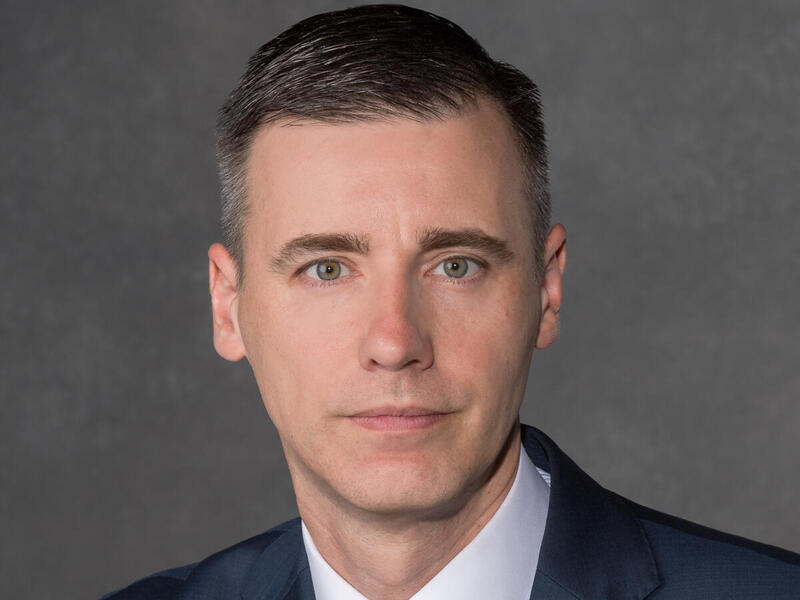
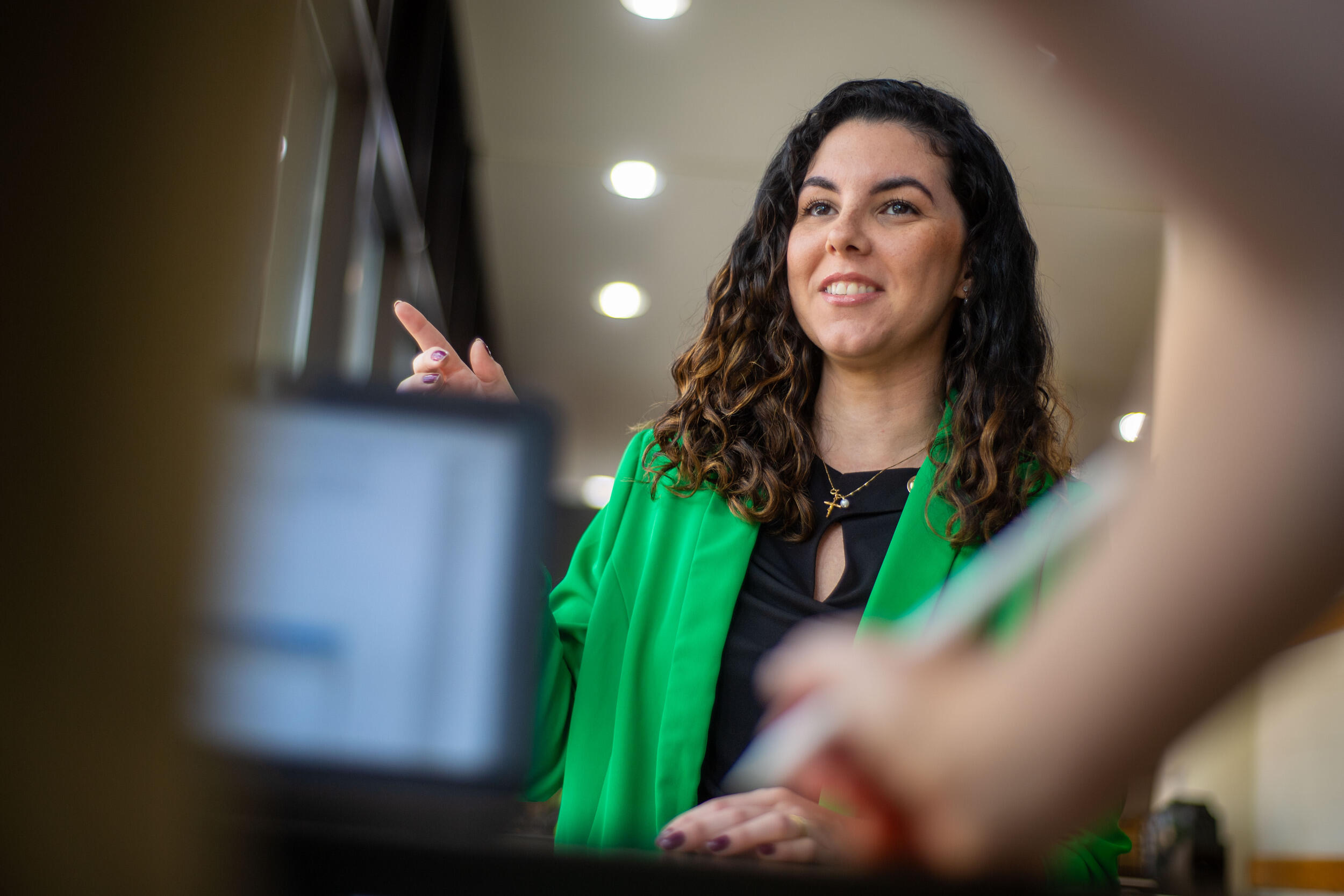
World@VCU is a VCU News feature, in partnership with the Global Education Office, that highlights students from around the world who enrich the Virginia Commonwealth University community. Samantha Castro Teixeira is pursuing a Ph.D. in psychology from the College of Humanities and Sciences.
What should we know about your home country?
Brazil is South America’s largest country, and I’m from Rio de Janeiro, a city full of energy, beautiful landscapes and vibrant culture. Growing up there, I saw both the joy and challenges people face – from celebrations to health disparities – which started my curiosity about resilience and how psychological support can make a difference in people’s lives.
What inspired you to study at VCU?
Before coming to VCU, I completed a master’s in clinical psychology in Brazil and worked as a clinical psychologist for a decade, focusing on chronic conditions. That experience motivated me to pursue research on psychological interventions for chronic pain, and it inspired me to explore these approaches in a collaborative and innovative environment like VCU.
Tell us about a favorite memory or experience so far here in America.
It’s hard to choose just one, but attending the United States Association for the Study of Pain conference was unforgettable. At USASP, I presented my poster on complementary and alternative medicine for young adults with chronic pain, and I got to meet researchers whose work I had admired for years.
Share something about a significant achievement or project.
One of my most meaningful achievements was presenting my research at USASP. Preparing and sharing my poster pushed me to refine my ideas and communication skills, and hearing leading experts recognize the relevance of my work made me feel that my research could influence patient-centered approaches in chronic pain management.
Has there been a surprise during your time studying abroad?
I’ve been pleasantly surprised by how warm and welcoming people are, not only in Richmond but especially within the pain research community. The openness has made it easier to learn, grow and contribute.
What do you like to do in your free time?
I enjoy spending time with my husband, and I’m learning to crochet. Both give me a chance to slow down, recharge and come back to my work with fresh perspective and energy.
Give us a glimpse into your future.
I hope to develop a mindfulness-based intervention for people with sickle cell disease pain that can be used in health care settings to improve quality of life. I also want to mentor students and continue teaching, helping future researchers explore psychological interventions that can make a real difference for people living with chronic pain. I hope my work contributes to approaches that are evidence-based, patient-centered and socially meaningful.
Any advice for international students just starting their journeys?
I would tell them to find peers and build a supportive community. Groups like Bridges International or VCU Global Buddies are wonderful for connecting with others. Being abroad can be challenging, but sharing experiences with someone else makes it much more manageable and even enjoyable.
Subscribe to VCU News
Subscribe to VCU News at newsletter.vcu.edu and receive a selection of stories, videos, photos, news clips and event listings in your inbox.